



Just days after the U.S. Supreme Court’s unanimous ruling in Montgomery v. Caribe Transport II, LLC, the freight technology sector is already assessing its implications — and for Samsara, the decision is shaping up to be a clear commercial tailwind rather than a disruption.
The May 14 ruling held that state-law negligent hiring and carrier selection claims against freight brokers are not preempted by the Federal Aviation Administration Authorization Act (FAAAA). Because these claims fall under the law’s safety exception, brokers — and potentially shippers and digital platforms — now face greater legal exposure if they choose carriers with poor safety records.
Speaking to FreightWaves, Samsara vice president of product Arpan Podduturi described the decision as the beginning of “a new chapter for the freight brokerage industry.” In his view, the ruling effectively strengthens the expectation that brokers must rigorously vet carriers, moving safety checks from best practice to legal necessity.
“The standards for vetting carriers have shifted,” he said. “They aren’t optional, they’re existential. Beyond the financial risk, it’s just the right thing to do. Every 13 minutes someone dies in a traffic accident.”
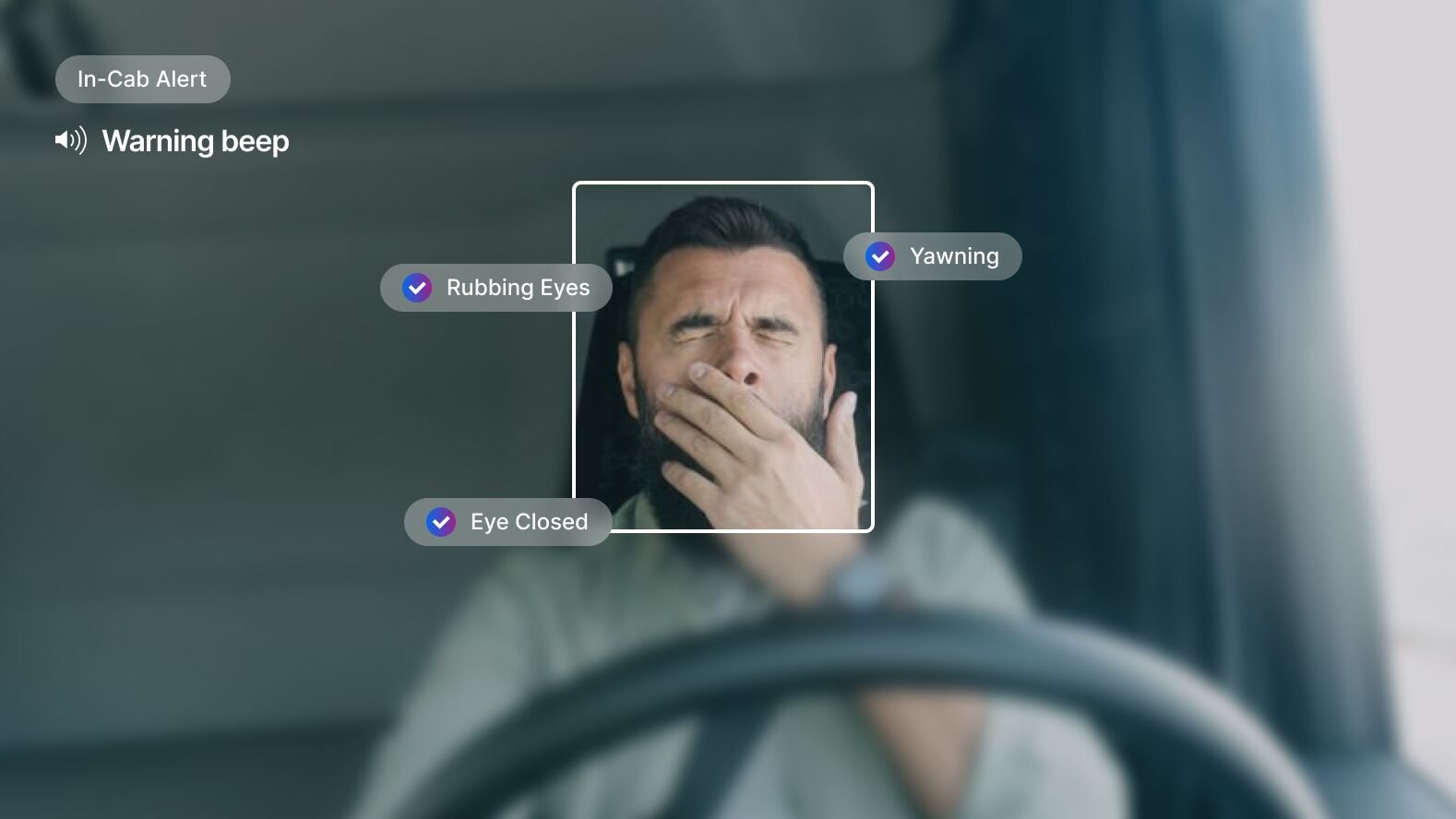
Despite the legal shift, Samsara does not see the ruling triggering a change in its product direction. Instead, the company believes it reinforces the value of its existing Connected Operations Platform, which includes telematics, AI-powered dashcams, ELD compliance tools, equipment monitoring, and driver coaching systems.
Podduturi said the company’s focus remains on deeper adoption of its current safety suite rather than building entirely new products in response to the ruling. In his view, real safety improvements come not from alerts alone, but from sustained behavioural change driven by coaching and feedback loops.
“Alerts are necessary but insufficient,” he explained. “Safety coaching is what really changes the culture, and when you change the culture, that’s when you get massive benefits.”
Samsara points to internal data showing that fleets using a full combination of real-time alerts, AI video safety and coaching can reduce crash rates by nearly 70% over 30 months. Broader industry figures cited by the company suggest reductions of more than 60% within the first year, rising closer to 75% when advanced AI safety tools are fully deployed.
Much of this performance is powered by the scale of Samsara’s data network. The company collects telemetry from more than 100 billion miles of fleet operations annually, forming what it describes as a growing data foundation for objective carrier evaluation and risk assessment.
According to Podduturi, this data is increasingly being used to shift carrier selection away from subjective judgment toward measurable, defensible criteria. AI systems can now aggregate and interpret compliance records, safety scores and operational behaviour to help brokers compare carriers at scale.
“Moving from a world of subjective judgment to objective criteria… you have to tap into the data exhaust that these companies are generating,” he said.
He added that this allows brokers to quickly benchmark carriers — effectively comparing “carrier A to carrier Z” — using consistent safety and performance metrics that can be audited if needed.
Following the Supreme Court ruling, Samsara expects brokers and shippers to place even greater value on carriers with strong, demonstrable safety programmes. That includes evidence of coaching systems, responsiveness to alerts, and proactive risk management practices.
“We do see it as a tailwind, absolutely,” Podduturi said. He noted that the ruling adds financial and legal weight to long-standing safety expectations, particularly in a sector where accidents often carry severe consequences.
For brokers, the shift is equally significant. The ability to show documented diligence in carrier selection could now become a key part of liability protection, supported by detailed operational data trails.
While new broker-focused features such as enhanced risk analytics or real-time vetting tools may eventually emerge, Samsara says its immediate priority is expanding adoption of its existing platform across carriers and intermediaries rather than rushing into new product areas.
Over time, Podduturi suggested, the ruling could raise baseline expectations across the entire freight ecosystem, including shippers and digital platforms, further embedding AI-driven safety and compliance tools into standard operating practice.
For Samsara, the broader takeaway is clear: regulatory pressure is increasingly aligning with its core business model. In a market where verifiable safety is becoming as important as cost, the company’s integrated hardware, software and coaching ecosystem is positioned to play a central role.
“Demonstrating that your own company as a carrier has a history of coaching, alerts, being proactive on safety—all of these things better position a carrier to win business,” Podduturi said. For brokers, he added, the same data now carries an additional value: protection in a more legally demanding environment.