



Infios research suggests the 2025 US tariff regime has fundamentally altered the mechanics of global trade, turning tariffs from a static cost into a real-time operational lever that companies now actively manage through routing, classification, warehousing and transport mode decisions.
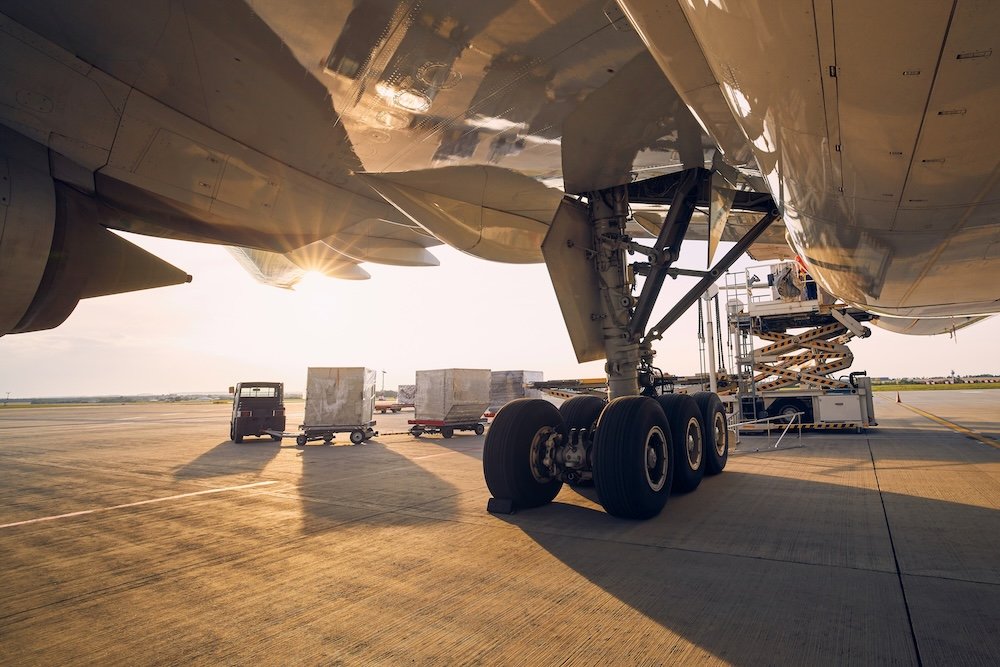
Based on analysis of more than one million US customs entries, the findings point to a structural redesign of supply chain behaviour rather than a temporary disruption. Across the dataset, airfreight increased by around 12 percentage points and remained elevated, while ocean freight declined by roughly 10–12 points. Truck usage rose by about 8 points, and bonded warehousing expanded from approximately 10% to 16–18% of entries, reflecting a broader shift toward duty deferral strategies.
At the same time, tariff complexity nearly doubled, as companies were forced to re-engineer compliance and execution processes. In some categories, effective duty rates increased by 20–80%, while shipment values rose by around 78% despite a decline in entry volumes of roughly 7%, signalling consolidation and more selective trade flows rather than contraction.
Infios describes the shift as a move away from predictable cost accounting toward continuous operational adjustment. “Tariffs are no longer a predictable cost line item,” the report notes, framing them instead as a live execution variable influencing every stage of the supply chain.
The report identifies two distinct phases in the industry’s response. In the initial shock phase, companies engaged in what it describes as “panic routing”, short-term modal switches and temporary USMCA-driven surges. Over time, these reactions evolved into more permanent structural changes in how supply chains are designed and executed.
“At Infios, one of our guiding principles is Thinking Ahead, helping customers to anticipate change instead of reacting to it after the fact,” said CEO Ed Auriemma. “Organizations that recognize those shifts early and respond quickly will be best positioned to deliver execution without interruption.”
SVP Global Trade Solutions Don Mabry added that the shift goes beyond sourcing decisions. “What we’re seeing isn’t just a shift in sourcing or supplier mix. It’s a fundamental change in how trade is executed,” he said, highlighting the need for organisations to adapt faster to volatility in policy environments.
Other key findings show that ocean freight has not recovered to previous levels even after initial disruptions, suggesting mode choice is now being used not only for cost optimisation but also as a form of policy-risk management. Meanwhile, bonded warehouse usage has become mainstream, and trade patterns increasingly reflect nearshoring trends and shorter, more controlled supply chains.
The analysis also highlights growing divergence across sectors: consumer goods and light manufacturing are diversifying away from China, while some industrial and chemical flows remain structurally dependent regardless of tariff exposure. New trade corridors are emerging as others weaken under policy pressure, reinforcing route intelligence as a strategic capability.
Infios concludes that this is not simply a sourcing story but an execution transformation. The concept of a “tariff-optimised supply chain” now defines this new operating model, where duties are managed dynamically alongside routing, classification and financial planning, rather than absorbed passively as fixed costs.