



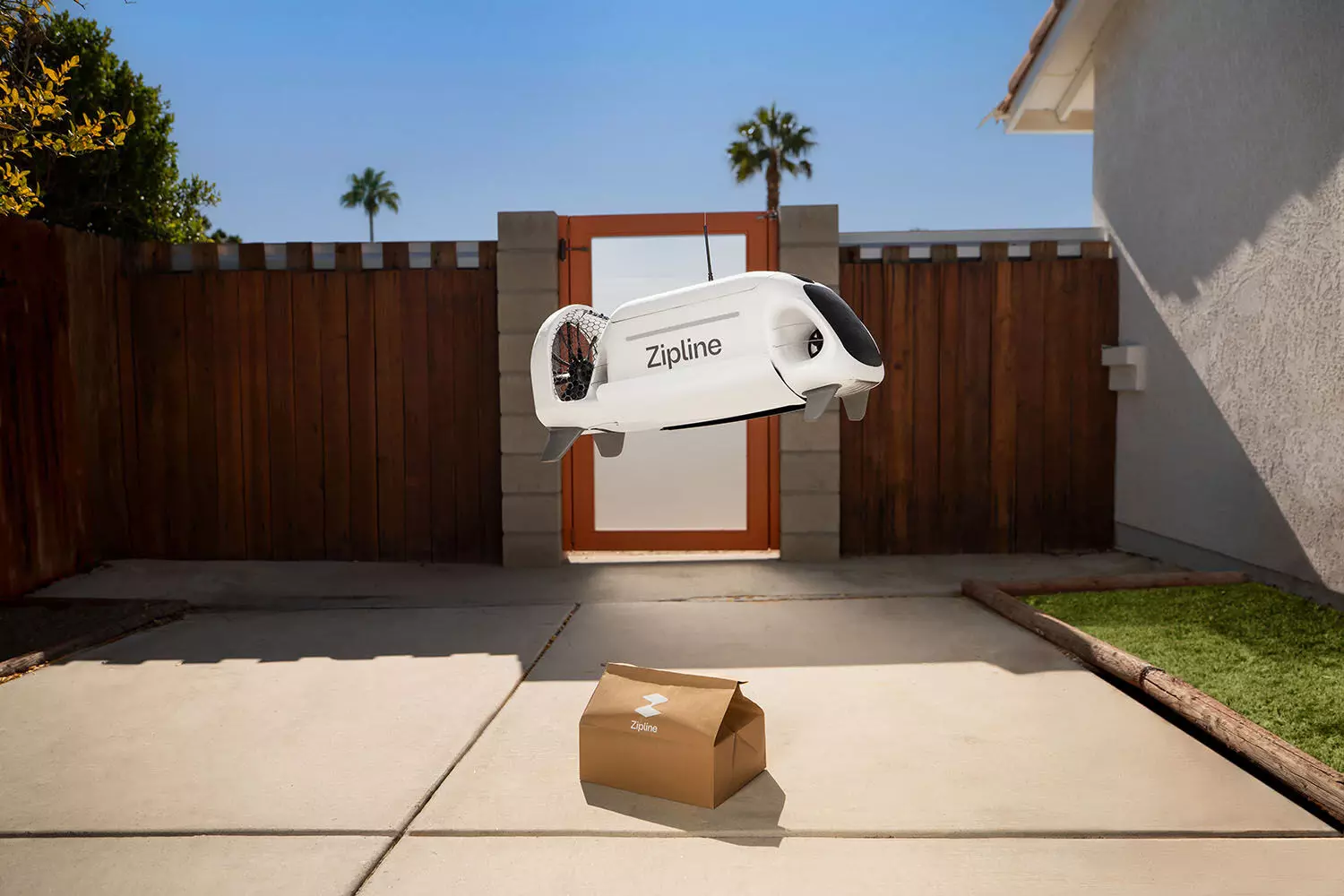
Drone delivery company Zipline is reportedly in talks to raise approximately $1 billion in a new funding round that could put its valuation at around $20 billion, according to a Bloomberg report citing people familiar with the matter.
The proposed valuation would represent nearly a threefold increase from Zipline’s previous valuation. Venture capital firm Paradigm, which is already an investor in the company, is said to be leading discussions to arrange the new financing. Earlier backer Tiger Global Management is also reportedly considering taking part in the round, according to Bloomberg’s sources.
Those sources spoke anonymously because the details of the financing have not been made public. The discussions are still at an early stage, meaning the structure and terms of the transaction could change. Zipline and Paradigm declined to comment on the report, while Tiger Global did not respond to Bloomberg’s request for comment.
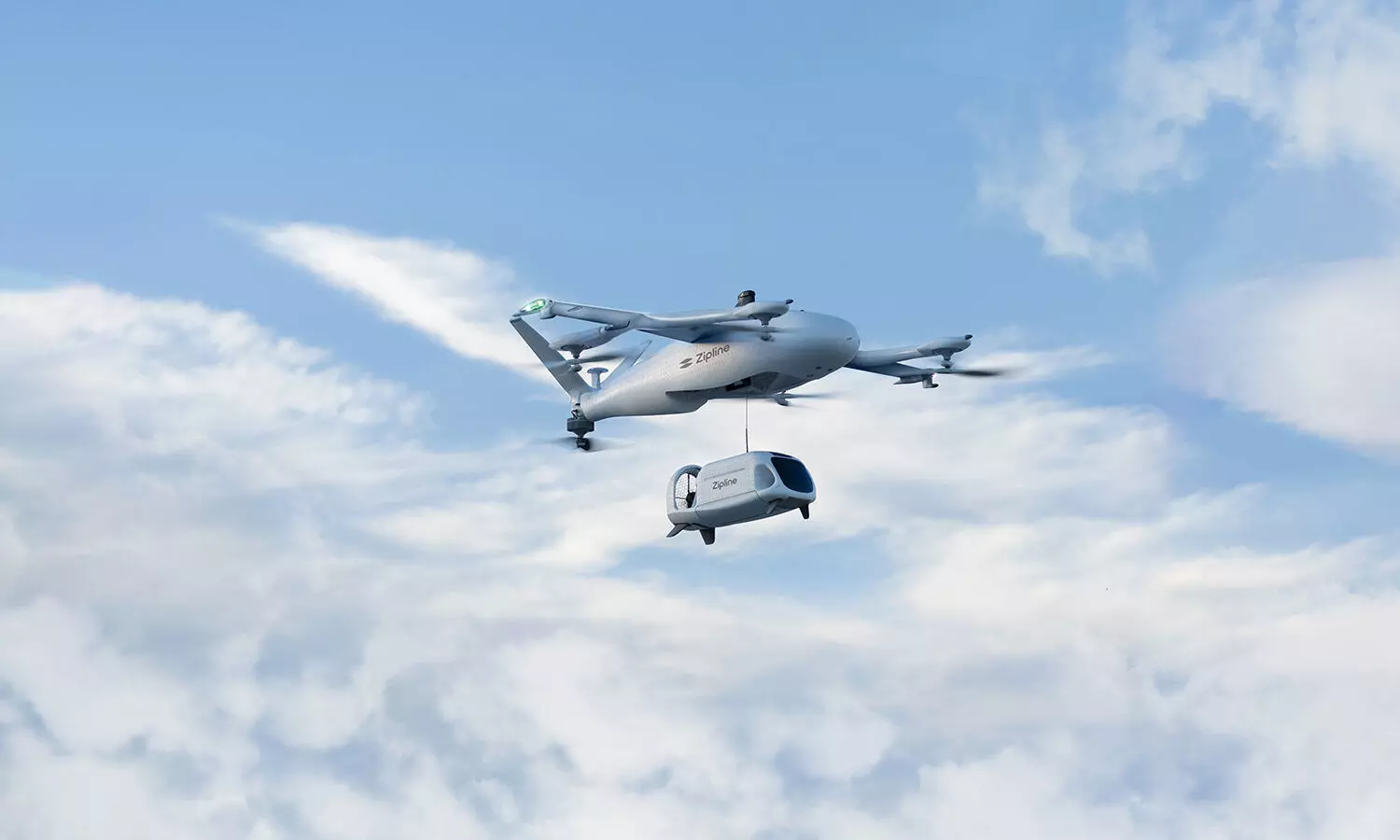
Founded in 2014, Zipline was last valued at $7.6 billion in an earlier 2026 financing round designed to support its commercial rollout. That financing was subsequently expanded to $800 million, with an additional $200 million, and came alongside a national-scale contract in Rwanda to deploy Zipline’s Platform 2 technology across major cities while opening a third distribution centre.
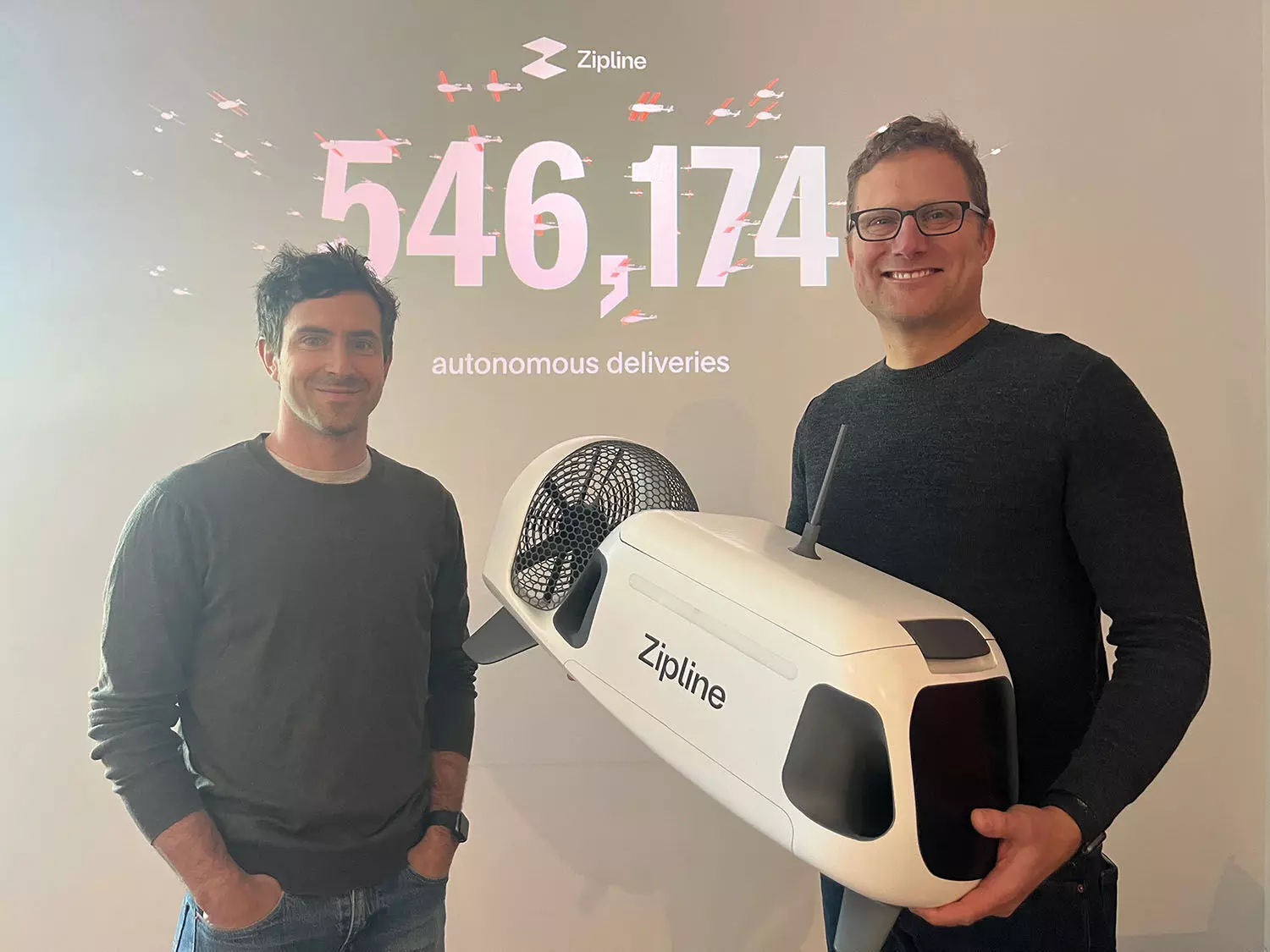
At that stage, Zipline’s aircraft had already flown more than 100 million miles and completed more than one million deliveries across four continents.
The company’s momentum has continued to accelerate. In the first half of 2026, Zipline recorded a 13-fold increase in the number of businesses offering delivery through its app, according to STATTimes. That expansion helped push total commercial deliveries beyond 2.5 million, including one million deliveries completed during the preceding 12 months alone.
The rapid growth has encouraged Zipline to expand further in the United States. The company launched a healthcare home-delivery service with Cleveland Clinic in Cleveland and began preparing food and retail delivery operations in Austin through local restaurants and major national chains. Little Caesars, for example, was scaling its Zipline presence from five locations to 65.
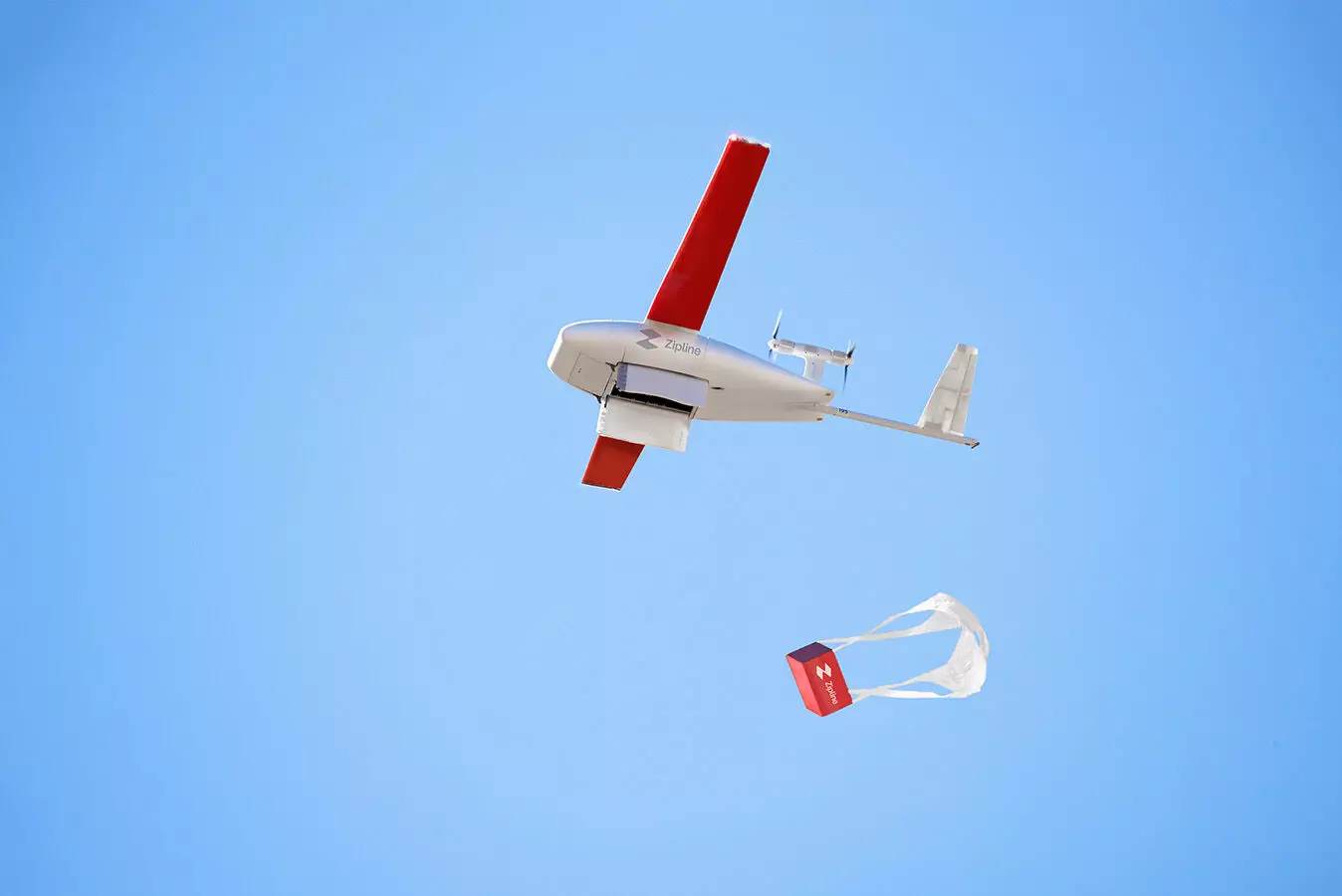
That US expansion reached a major milestone in August, when Zipline announced a partnership with Uber that also included an investment from the ride-hailing company. Uber and Zipline said they were targeting one million drone deliveries per day by the end of 2029.
The first deployments under the partnership are expected to begin in markets where Zipline already operates, including Dallas and Houston. The deal emerged at the same time as former Uber CEO Travis Kalanick was pursuing his own ambitions in autonomous robotics through a new venture called Atoms.
Zipline’s expansion is not limited to the US. In Kenya, the company partnered with animal-health company Zoetis to deliver veterinary products, including wound-care and production-health medicines, to rural clinics, animal-health-service providers and farms. The drone network is intended to reduce delivery times from several hours or even days to just minutes.
Across Africa more broadly, Zipline and the Africa Centres for Disease Control and Prevention signed a memorandum of understanding aimed at strengthening health-system responsiveness, epidemic preparedness and access to medical supplies through drone-enabled logistics. The initiative builds on Zipline’s existing operations in Rwanda, Ghana, Nigeria, Kenya and Côte d’Ivoire.
It is against this backdrop of accelerating commercial adoption in the US, a major strategic partnership with Uber and a growing healthcare-logistics presence across Africa that Bloomberg’s report of a potential $20 billion valuation has emerged.
Zipline lists Valor Equity Partners and Sequoia Capital among its major investors. On its website, the company says it has completed nearly three million deliveries covering more than 140 million miles for customers including Chipotle Mexican Grill, Jimmy John’s and Walmart.
Should the reported financing close on the terms currently being discussed, those developments would place a company with a rapidly expanding global delivery footprint at a valuation nearly three times higher than the $7.6 billion level recorded only months earlier.