



Marine insurers in London have pushed back against suggestions that vessels are avoiding the Strait of Hormuz because war risk cover is unavailable or prohibitively expensive.
The Lloyd’s Market Association said it had surveyed syndicates active in the marine war market and found that the vast majority still have an appetite to underwrite international war risk business, including cover linked to US and UK interests.
In an update issued on Sunday, Neil Roberts, Head of Marine and Aviation at the LMA, said war insurance remains available within both the Lloyd’s and London company market for vessels wishing to transit the Strait of Hormuz.
The association added that P&I liability cover remains non-cancellable through the clubs and continues to be reinsured in the London market. It also noted that a small number of fixed-premium P&I insurers had cancelled cover, although most of that business had subsequently been repriced rather than withdrawn altogether.
According to the LMA survey, conducted in the week following the outbreak of the conflict, 88% of respondents said they still had appetite to underwrite international hull war risks, including business linked to the US and UK. For cargo, more than 90% of respondents said they remained willing to provide cover for international exposures.
That does not mean pricing is uniform. The association made clear that premiums continue to vary depending on how individual syndicates assess the level of risk.
Still, Roberts stressed that insurance availability is not what is stopping ships from moving through the region. In his view, the central issue is that masters and owners are judging the threat to crews and vessels to be too severe.
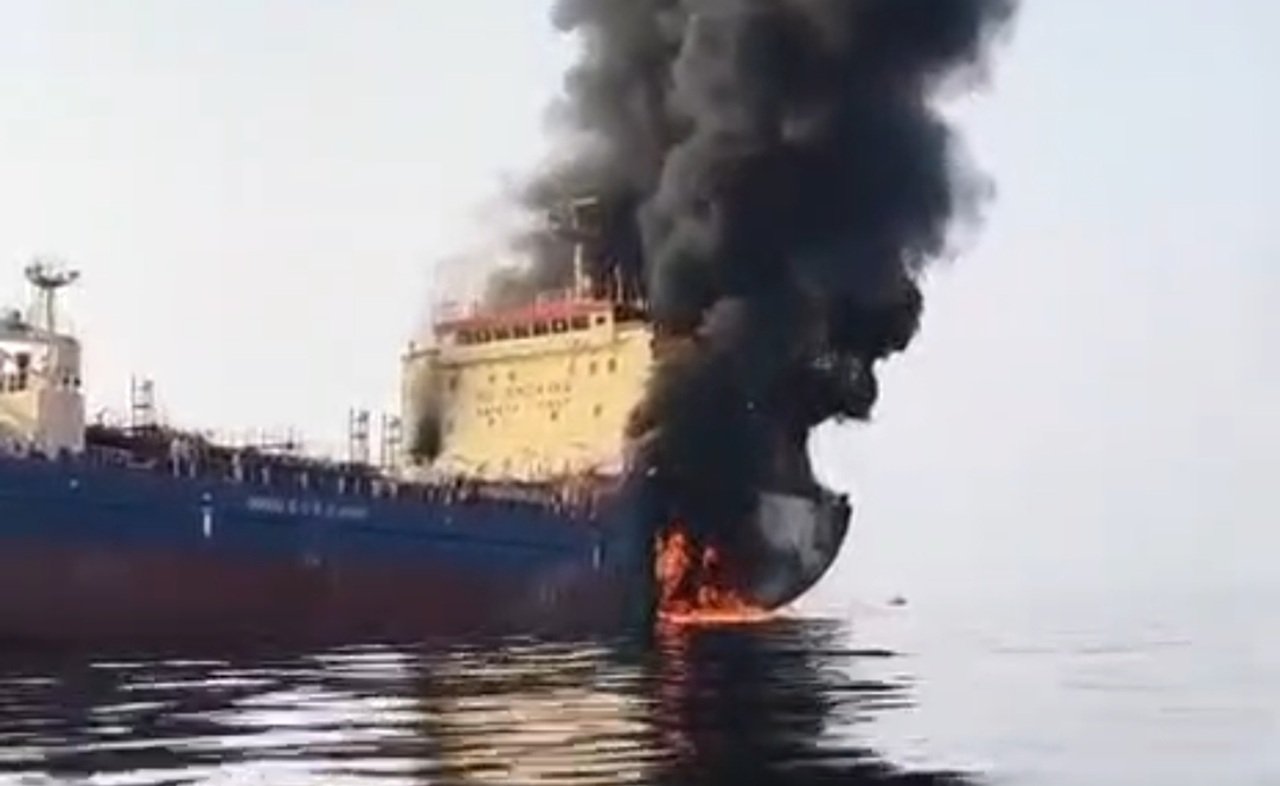
That concern has only intensified as the conflict has worsened. Since hostilities began, at least 11 fatalities have been recorded, including deaths linked to a tug that was attempting to assist the container ship Safeen Prestige after the vessel had been abandoned by its crew following an attack.
Roberts also pointed to wider operational concerns beyond direct attack. These include uncertainty over the availability of salvage vessels for ships in distress and doubts over which ports could realistically serve as safe places of refuge if assistance is needed.