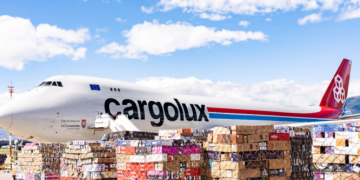





Quito’s Mariscal Sucre International Airport has recorded its strongest Mother’s Day flower export season to date, with volumes climbing well above last year’s levels and confirming the growing importance of the airport in Latin America’s air cargo sector.
According to Corporación Quiport, around 24,800 metric tonnes of flowers were exported through Quito Airport between April 16 and May 6, over a 21-day period. That marks a 16% increase compared with the 21,300 metric tonnes shipped during the same period in 2025.
The busiest day of the season came on April 29, when exports reached 1,641 metric tonnes — a 4.1% increase compared to the peak day recorded during last year’s Mother’s Day campaign.
Mother’s Day remains the second-largest flower export period of the year after Valentine’s Day. However, the difference between both seasons is becoming smaller. This year, Mother’s Day export volumes were only 15% lower than Valentine’s Day shipments, compared with a 25% gap in 2025.
For Ramón Miró, President and CEO of Corporación Quiport, the numbers highlight the steady growth of cargo operations at Quito Airport over recent years.
He explained that since 2022, the airport has continued surpassing its previous cargo records, helping Quito establish itself as one of the main air cargo gateways in Latin America and the Caribbean while supporting exports and economic growth across Ecuador.
The airport’s recent rise in regional rankings reflects that momentum. In the latest Airports Council International Latin America and Caribbean (ACI-LAC) report released on May 6, Quito Airport moved up from fifth to fourth place among the region’s busiest cargo airports.
Quito now ranks behind only Bogotá’s El Dorado Airport, São Paulo’s Guarulhos Airport and Mexico City’s Felipe Ángeles Airport, overtaking Santiago’s Arturo Merino Benítez Airport along the way.
The latest export season once again underlines the strategic role flowers continue to play in Ecuador’s air freight industry, where speed, cold-chain efficiency and reliable international connectivity remain essential during peak seasonal demand.