




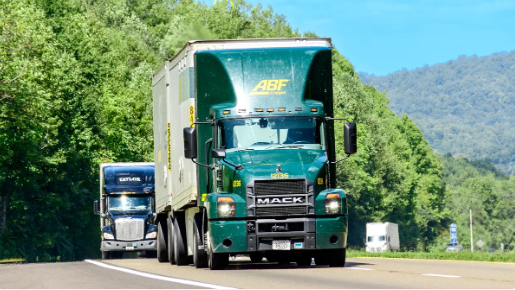
ArcBest and its subsidiary ABF Freight have announced a general rate increase of approximately 5.9%, an unusual timing shift for the carrier as pricing adjustments typically occur later in the year. The new rates will take effect on June 22, although the company noted that specific lanes and shipment categories may vary depending on service conditions.
The latest adjustment follows a period of evolving freight dynamics within the company’s less-than-truckload (LTL) segment, which has been experiencing a heavier freight mix in Q2 performance to date. ArcBest reported that its asset-based operations, led by ABF Freight, increased tonnage by 5% year over year, while overall activity rose 10%, despite a 2% decline in daily shipments.
ABF Freight has historically announced its general rate increases in the second half of the year, so this announcement in Q2 is a major deviation from seasonal patterns. The last rate move was a 5.9% increase announced in August 2025.
The company has also revised its outlook for LTL operating performance in the second quarter, forecasting a sequential improvement of 6 to 7 percentage points, significantly above the typical seasonal uplift of around 3.5 percentage points.
Pricing discipline strengthens across LTL market
Speaking on recent market conditions, ArcBest CEO and President Seth Runser highlighted continued strength in pricing discipline within the core LTL segment.
“Core LTL pricing continues to improve, and that’s really supported by the rational market, the disciplined actions that we’ve continued to take even despite the softer environment,” Runser said during an April earnings call, adding that improvements in volume and capacity utilisation are contributing to upward pressure on rates.
The adjustment comes amid a broader industrial backdrop marked by sustained manufacturing sentiment from January through May, as reflected in Institute for Supply Management surveys, alongside a notable 20% year-on-year rise in the LTL long-distance producer price index in April, according to preliminary federal data.
Early signs of modal shift emerging
Industry observers are also noting early signs of freight rebalancing between transport modes. According to a June report from C.H. Robinson Worldwide, some truckload shipments are beginning to shift into the LTL segment, although the impact remains gradual and uneven.
“While demand growth is still limited, early indicators suggest capacity is beginning to tighten, particularly as freight begins to rebalance between modes,” the company noted. “Demand is improving at the edges rather than accelerating broadly.”
This evolving modal shift, combined with disciplined pricing and changing freight composition, is contributing to a more complex but gradually tightening LTL environment as carriers adjust to shifting demand patterns across the North American freight landscape.
- Latest
- Trending
ADVERTISEMENT