



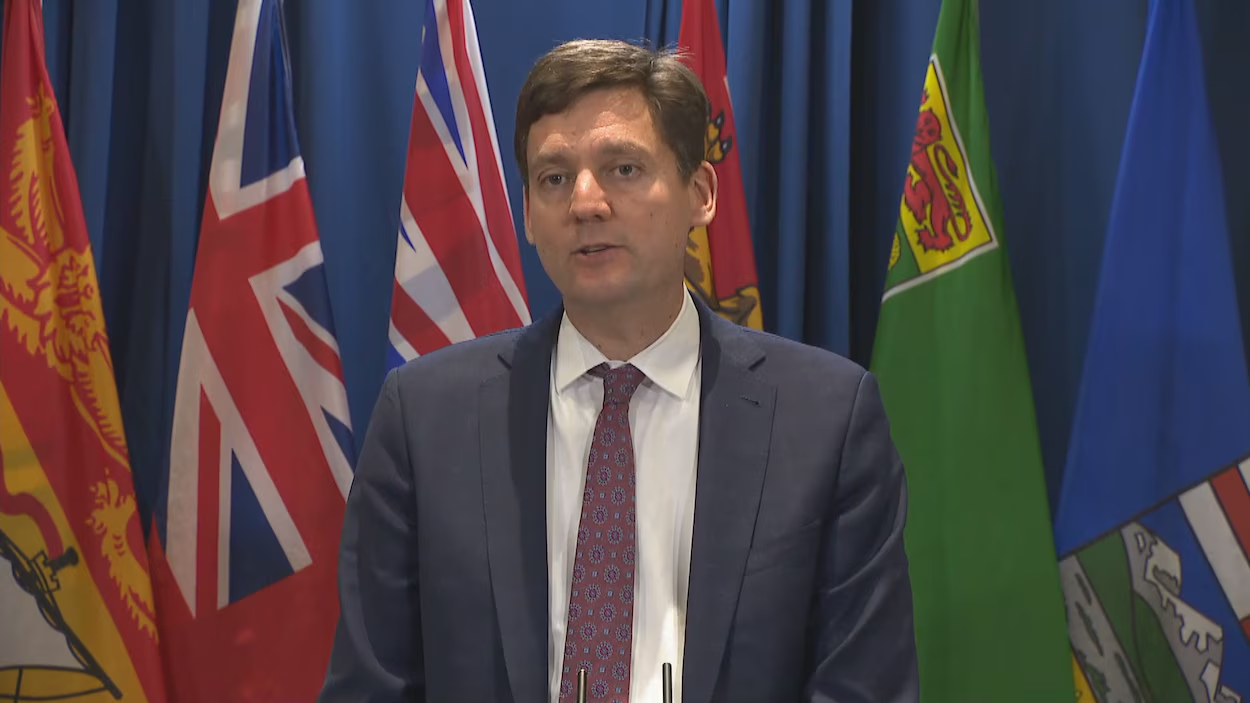
British Columbia Premier David Eby is standing by the province’s plan to purchase unsold condominium units and convert them into affordable housing, arguing the initiative is about making the most of a market opportunity rather than bailing out developers.
Speaking alongside Prime Minister Mark Carney during a recent visit to Vancouver, Eby compared the approach to buying products on clearance. In his view, purchasing completed housing below construction cost simply allows governments to deliver affordable homes more efficiently.
The federal and provincial governments announced last month a joint plan to acquire more than 2,000 unsold condominium units across British Columbia. The homes would either become affordable rental properties or be offered through rent-to-own programs, with the initiative forming part of a broader $5 billion infrastructure agreement that will be rolled out over the next decade.
The proposal has faced criticism from opponents, who argue it amounts to a public bailout for developers struggling to sell new units. Eby rejects that characterization, noting that many developers themselves have said the program does not represent the type of financial assistance they were seeking.
He also stressed that the government will only purchase properties where the economics make sense. In Vancouver, for example, he said current prices make conversions into affordable housing financially unviable, meaning no purchases are planned there.
Prime Minister Mark Carney echoed that position, explaining that the program is designed to take advantage of market conditions when they allow governments to secure housing at a lower cost than building new units from scratch.
According to Carney, the flexibility built into the program means acquisitions will only proceed where they offer good value for taxpayers while increasing the supply of affordable housing. If market conditions change and suitable opportunities no longer exist, the government will simply not move forward with purchases.
For both leaders, the priority remains addressing the housing shortage as quickly as possible by using existing homes whenever it proves to be the most cost-effective solution.