



The number of vessels and carriers using the Bab el Mandeb strait is gradually increasing, according to the latest figures from Linerlytica, as pressure on global container capacity continues to build.
Climate-related disruptions, including El Niño and major storms, have contributed to congestion and reduced available capacity. These conditions are now playing a role in some carriers’ decisions to reconsider the shorter route to Europe through the Suez Canal.
Linerlytica’s latest data shows that port congestion in Asia has reached 4.3 million teu, exceeding the peak recorded during the Covid pandemic, when around 4.0 million teu were stranded.
Returning to the Bab el Mandeb, Red Sea and Suez route remains a significant operational risk. Hostilities in the Middle East continue to fluctuate, while the Iran-backed Houthi Movement remains a threat to vessels sailing off the coast of Yemen.
Yet the pressure to recover lost capacity is becoming increasingly difficult for carriers to ignore. Diversions around the Cape of Good Hope are currently absorbing between 5% and 7% of global container capacity, equivalent to between 1.7 million and 2.4 million teu.
Linerlytica said this capacity shortage has been one of the main factors behind Maersk’s decision to move back towards the Red Sea earlier than many of its competitors.
“Maersk, in particular, [is] still scrambling for additional tonnage,” Linerlytica said in its weekly market report, adding that this had been “one of the main drivers behind Maersk’s decision to risk an early return to the Red Sea”.
The Danish carrier is taking this step while most other operators remain cautious, including Hapag-Lloyd, its partner in the Gemini Cooperation.
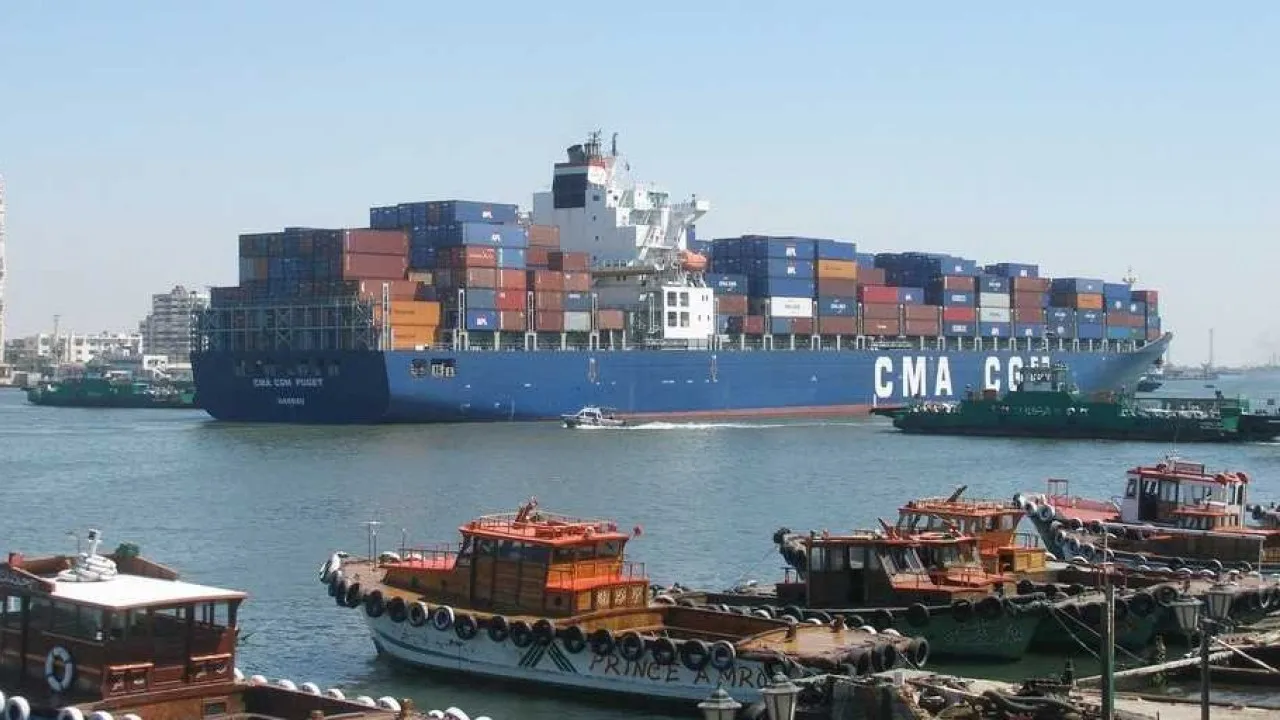
Maersk is also not alone in testing the route. CMA CGM has been leading the return, while Wan Hai Lines, Cosco Shipping and, most recently, MSC have also begun operating through the route.
CMA CGM has completed 15 Suez transits, compared with 11 for Maersk. The two carriers, together with MSC, have operated vessels in both northbound and southbound directions. Wan Hai and Cosco, meanwhile, have so far made only northbound transits.
Despite the tightening of capacity and increasingly significant delays, freight rates on the Asia-Europe trades have yet to recover. The alternative North Sea Route has also failed to generate strong interest among shippers, receiving what Linerlytica described as a “lukewarm response”.
The gradual return of container lines to the Suez and Red Sea route therefore reflects a difficult balance between security risks and the growing need for additional capacity, as congestion continues to put pressure on the global container shipping network.