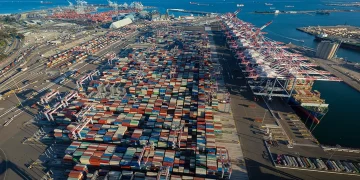




A two-month suspension of fees targeting China-built and China-owned vessels calling at US ports will provide temporary relief to carriers facing the penalties, as well as to their customers, who would likely end up absorbing a significant share of the additional costs.
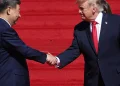
China and the US agreed last week, during a White House summit, to extend what US Treasury Secretary Scott Bessent described as the “Busan [Korea] Agreement,” the economic détente between the two countries.
Speaking to Fox News, Bessent said the one-year agreement, which included the suspension of tariffs and fees introduced under the Section 301 Maritime, Logistics, and Shipbuilding Investigation, had originally been scheduled to expire on November 10.
“That is now going to be extended until 10 January to give us more time to see what we can do on the economic front,” Bessent said.
For Matthew Thomas, an international trade and maritime law expert at law firm Blank Rome, the extension represents a potentially important signal. While he noted that considerable developments could still occur before January 10 including the US mid-term elections and the peak holiday shipping season, he said the latest move indicates that a further and longer-term extension remains possible.
“This is a positive signal that a further longer term extension is at least possible,” Thomas told Seatrade Maritime News.
The issue had already drawn strong attention from across the shipping and logistics sector. Ahead of last week’s talks between US President Trump and Chinese President Xi Jinping, a coalition representing more than 200 importers, exporters and transportation groups called for the suspension of the fees to be extended before the existing agreement expired in November.
The groups argued that a continued suspension was necessary to ease pressure on supply chains already dealing with elevated ocean freight rates and other transportation costs.
The potential financial impact of the USTR measures is substantial. As previously reported by Seatrade Maritime News when the fees were announced last year, Chinese-built containerships calling at US ports would have faced charges of $18 per net ton or $120 for every container discharged, with the higher of the two fees applying.
Analyst Alphaliner estimated last year that the 10 largest container lines alone could have faced a combined $3.2 billion in USTR Section 301 fees in 2026, based on their fleet deployments from the previous year.
The latest extension therefore gives carriers and their customers additional breathing room, while also creating more time for Washington and Beijing to determine whether a broader, longer-term arrangement can be negotiated before the January 10 deadline.