



“We’re in an age of several large forces combining at the same time in the air cargo business. Artificial intelligence, digitalization, shifting trade patterns, sustainability, security, geopolitics and workforce pressures are reshaping the sector. The question is whether the industry is moving fast enough.
E-commerce was responsible for around 20% of global air cargo volumes by the end of 2025, highlighting the increasing significance of online trade for the world’s air freight flows. Meanwhile, investment in artificial intelligence was accelerating across the air cargo sector, and high-tech data centers and improved energy infrastructure were creating more demand for transport.
Geopolitical tensions, and uncertainty over tariffs, continued to influence on consumer behavior, with some hesitancy still in the market. Air cargo, however, was able to maintain an overall growth trend.
This situation did not last long, and by the end of February 2026 the tensions in the Middle East had exploded into a full-scale conflict.
Closure of the Strait of Hormuz had a major impact on energy flows. The Strait carries about 20 percent of the world’s oil demand, and some 80 percent of that oil heads to Asia.
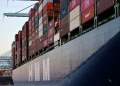
Therefore, maritime transportation was affected as major shipping routes were shut down or severely disrupted. But the world kept trading and doing business. Cargo still had to go somewhere, adding to pressure on other modes of transport – including airfreight.
The rising costs of air freight and the increasing difficulty of finding capacity made it increasingly obvious that there was a need for more collaboration throughout the supply chain.
Again, the experience of the Covid-19 crisis was an important benchmark. Supply chain partners worked together to develop alternative routes and to keep the flow of cargo on its way to its destinations. As global trade continues to evolve partnerships based on common goals, service quality and customer centric solutions are becoming more and more important.
The changing environment additionally emphasizes the particular leadership requirements of the air cargo industry.
To be effective in such a complex global marketplace, leaders need to be able to respond to disruption, adjust to shifting conditions and bring different parts of the supply chain together.
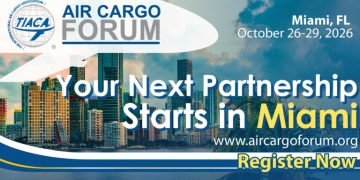
These issues will be central to TIACA ACF 2026, when industry leaders from around the world will come together to consider how the sector can address the challenges that lie ahead and build new paths forward.”
The conference program will cover a broad range of topics, from leadership perspectives and economic conditions across the industry to the shipper’s perspective and the growing importance of dynamic partnerships.
Sessions will also cover practical applications of artificial intelligence, regulatory developments, and a broader range of topics being influenced by industry thought leaders and decision-makers.
The operating environment is becoming more complex and discussions at TIACA ACF 2026 will not only identify the changes impacting on air cargo but also the actions, partnerships and leadership capabilities required to respond to them.