



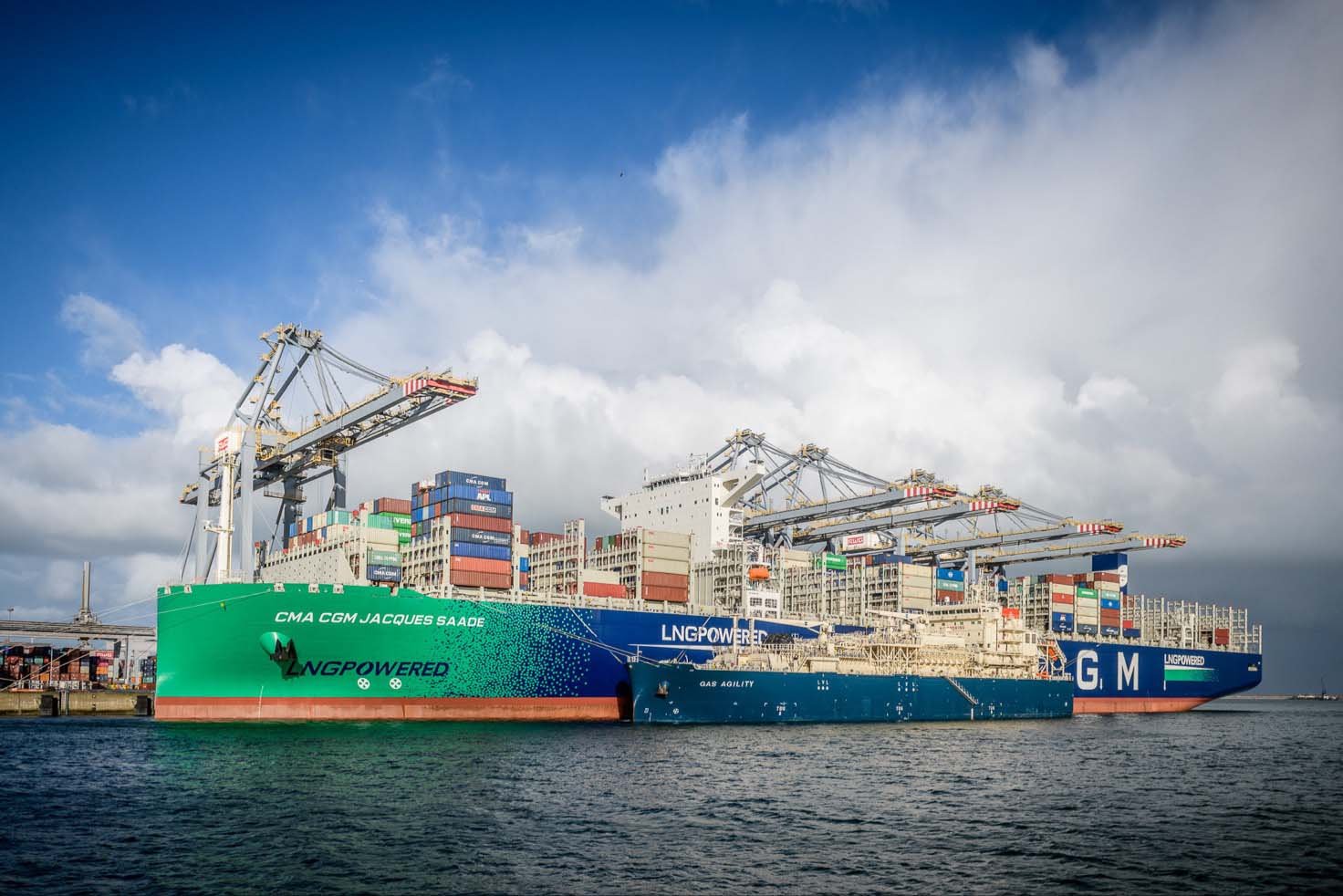
Singapore is taking another step towards diversifying its marine fuel options, with the Maritime and Port Authority of Singapore (MPA), CMA CGM Group and Singapore LNG Corporation (SLNG) joining forces to investigate the potential of liquefied bio-methane for ship bunkering. The three organisations have signed a Memorandum of Understanding (MoU) to assess how the alternative fuel could be supplied and used in the city-state.
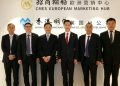
The agreement brings together the partners’ complementary expertise. MPA Chief Executive Ang Wee Keong, CMA CGM Asia Pacific CEO Bo Wegener and SLNG CEO Leong Wei Hung signed the MoU. Under the arrangement, MPA will contribute its regulatory knowledge and experience in industry development, CMA CGM will provide its shipping and logistics expertise, and SLNG will draw on its LNG infrastructure and technical capabilities.
Supply, certification and emissions accounting Evaluation
The collaboration will focus on exchanging knowledge and assessing practical requirements for the launch of liquefied bio-methane as a marine fuel. The three parties will look at certification processes, supply arrangements and potential uses as well as Singapore’s existing gas infrastructure that can handle the fuel.
The work will mainly focus on the accounting of sustainability attributes and greenhouse gas emission reductions when bio-methane is blended with natural gas in shared infrastructure. Robust answers to these questions will be important to evaluate the fuel’s environmental advantages and its fit for wider use in maritime operations.
The partners also intend to carry out pilot projects and operational trials to test the proposed approaches under real-world conditions. The results are expected to help guide the development of liquefied bio-methane bunkering capabilities in Singapore.
The initiative is backed by SLNG’s certification
SLNG has already been certified under the International Sustainability and Carbon Certification EU (ISCC EU) framework for handling liquefied bio-methane. The certification makes the company one of the first LNG terminals in the region to receive it, providing a basis for investigating how the fuel can be integrated into existing LNG operations.
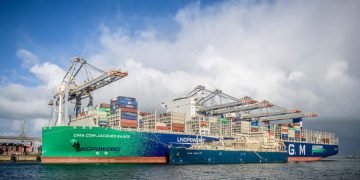
LNG is already an established marine fuel in Singapore . The new partnership, MPA said, will look at how lower emission alternatives can build on the country’s existing infrastructure and operational capabilities and not need an entirely separate foundation.
This move is also part of Singapore’s broader push to build a multi-fuel bunkering ecosystem. The partners will assess liquefied bio-methane alongside existing LNG capabilities to explore how the alternative fuel can play a role in the future of marine bunkering and help the industry reduce emissions.