



Record-Breaking Volumes at the Port of Los Angeles
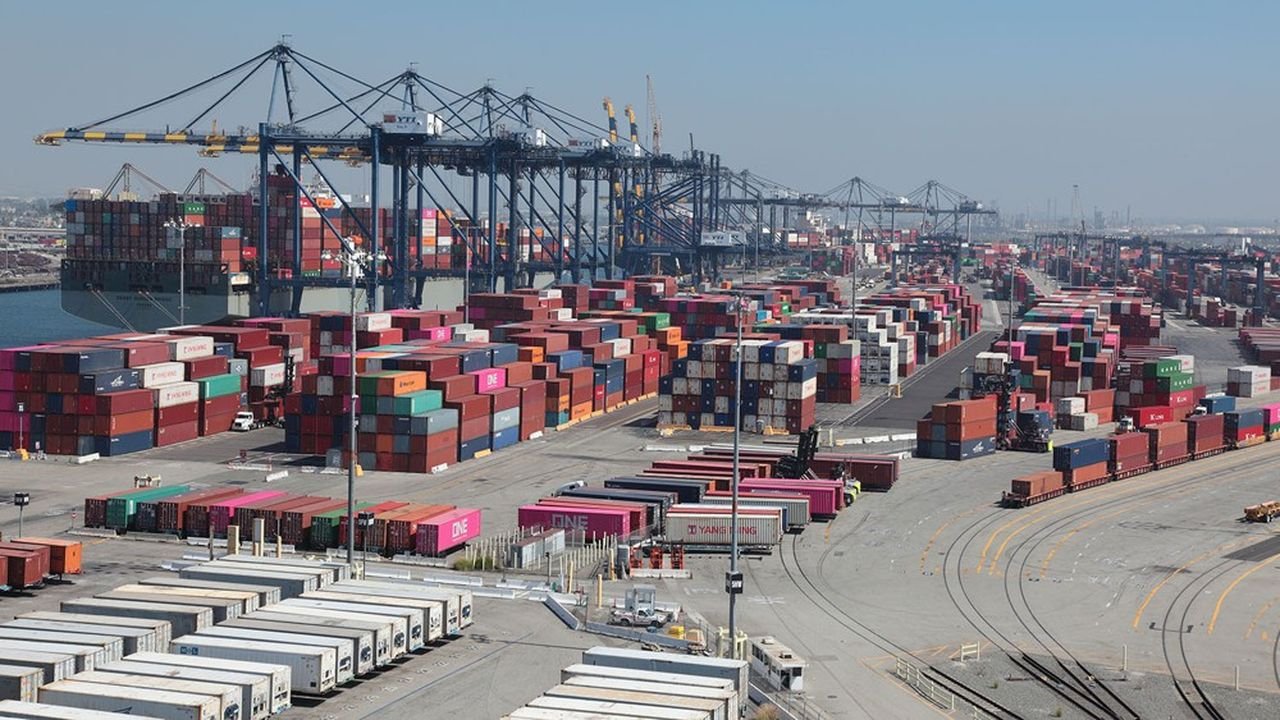
The Port of Los Angeles reached a new milestone in September, handling 1.42 million twenty-foot equivalent units (TEUs), marking its busiest month ever. According to Executive Director Gene Seroka, the figure also represents the highest monthly container volume ever recorded by a port in the Western Hemisphere.
Speaking this week, Seroka attributed the increase to lower tariff levels, resilient consumer demand and the diversion of cargo from shipping routes affected by constraints in the Panama Canal and Suez Canal.
A Record Quarter Strengthens the Port’s 2026 Performance
September imports reached 546,000 loaded TEUs, an increase of 19% compared with the same month last year and 26% above the port’s five-year average. Exports also recorded growth, rising 10% year over year to 126,000 loaded TEUs.
The port additionally handled a record 371,000 empty containers as ocean carriers repositioned equipment to Asia.
The momentum extended beyond September. From July through September, the Port of Los Angeles processed nearly 3 million TEUs, making it the strongest quarter in its history. Between June and September, total container movements approached 4 million.
By the end of September, the port had handled nearly 8.1 million TEUs in 2026, approximately 3% more than during the corresponding period in 2025.
Seroka expects October volumes to reach around 900,000 TEUs. He pointed to typhoon-related disruptions to Asian shipping schedules, the accumulation of rolled cargo ahead of China’s national holiday and continued replenishment of inventories for the holiday shopping season as factors likely to sustain elevated activity.
Vietnam Gains Ground as Companies Diversify Supply Chains
Trade patterns are also changing at the Port of Los Angeles. During a media briefing, Seroka revealed that Vietnam has become the port’s second-largest trading partner, behind China. Thailand has also entered the top five for the first time.
Over the past decade, cargo volumes originating in Vietnam and moving through Los Angeles have quadrupled, reflecting the gradual reconfiguration of sourcing and manufacturing networks.
China’s share of the port’s business has declined from 60% to 40%. However, Seroka cautioned that diversification has progressed more slowly than many importers had hoped.
Willy Shih, a Harvard Business School professor who participated in the briefing as a guest, said companies are increasingly prioritizing flexibility over obtaining the lowest possible production cost. In an environment marked by frequent policy changes, businesses are seeking to preserve alternative sourcing options rather than committing exclusively to one supplier or market.
Shih also warned that shifts away from China can be misleading. In many cases, changes reflect the relocation of final assembly operations rather than a fundamental reduction in dependence on Chinese manufacturing. Vietnam and Mexico, for example, continue to rely heavily on components originating in China.
Developing supplier networks in Mexico that can match the scale and capabilities of existing alternatives could take approximately a decade, Shih said.
Importers remain cautious through months ahead on tariffs
Despite record volumes, tariffs uncertainty is a major concern for the port’s outlook.
“Importers are making snap decisions as costs, consumer demand and policy deadlines change,” said Seroka. “While purchase orders in Asia are still firm, it is still tough to predict volumes for November and December,” he said.
Cargo continues to move through the port at a healthy clip, but the uncertainty around trade policy is making it hard to decide on inventory, sourcing and shipping schedules.
Another dimension to the current trend is being added by changes in shipping routes. Ocean carriers and shippers are shifting more cargo to Los Angeles from routes that move through the Panama Canal, Seroka said. With drought-related restrictions at the canal and higher fuel costs tied to the conflict in the Middle East, the shorter and faster transit options have become more appealing.
These changes are helping to support container flows through Los Angeles as companies reassess routing decisions and look to reduce exposure to delays and rising transportation costs.
Port Operations Stable, Rail Backlog Must Be Addressed
“Operationally, the conditions at the port were generally smooth,” Seroka said. Truck turnaround times are still healthy, with large vessels being turned around in approximately four days.
Still, rail dwell times are a concern, especially as the port moves to move holiday season cargo inland. Container volumes are up and retailers are gearing up for peak demand, so keeping rail links running efficiently will be key to avoid delays piling up.
Port of Los Angeles Enters Final Months of 2026 with Record-Setting Performance, Continued Strength in Container Traffic But the outlook also remains clouded by uncertainty over tariffs, shifting sourcing strategies, geopolitical tensions and constraints on inland transportation.
“Importers and logistics operators are no longer confronted with a challenge of securing capacity. It’s about juggling costs, speed and flexibility in a trading environment where policy decisions and shipping conditions can change quickly.