



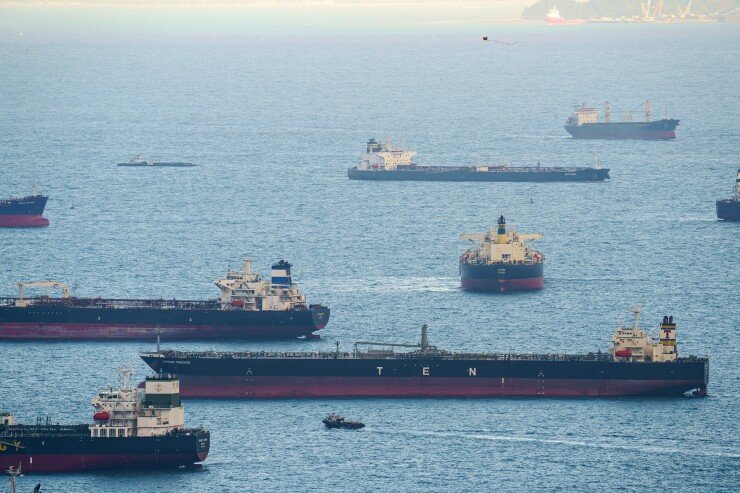
The ongoing conflict involving Iran is placing increasing pressure on global supply chains, as rising fuel costs and disruptions in the Strait of Hormuz trigger new surcharges across ocean shipping.
Shippers and carriers are currently navigating complex contract negotiations, with many agreements already including clauses addressing geopolitical disruptions and cost volatility.
Industry representatives say the closure of Hormuz — a key route for global oil flows — is driving up fuel prices, which in turn is pushing carriers to implement additional surcharges and rate increases.
Major shipping lines such as MSC, CMA CGM and Maersk have already adjusted pricing across several trade lanes.
At the same time, regulators have intervened in certain cases. The Federal Maritime Commission (FMC) recently rejected some surcharge requests that did not comply with required notice periods, highlighting the importance of transparency in pricing mechanisms.
Beyond ocean freight, the impact is being felt across all transport modes. Trucking fuel surcharges have risen by around 25%, while airfreight rates from Asia to North America have increased significantly due to higher jet fuel costs.
Shippers are responding by adjusting routing strategies, seeking to manage costs while maintaining supply chain continuity in an increasingly uncertain environment.