



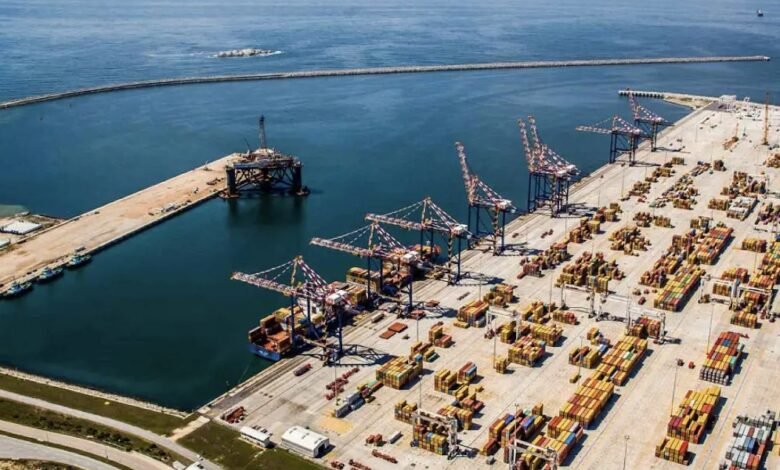
South Africa’s Transnet National Ports Authority (TNPA) has taken a formal step forward for the development of a major liquefied natural gas (LNG) terminal at the Port of Ngqura following the signing of a 25-year terminal operator agreement with Ukwanda LNG.
The large-scale project, estimated at ZAR 22bn ($1.35bn), is expected to turn Ngqura into a strategic energy hub that will support the long-term energy security ambitions of the country and plans for industrial growth.
The initiative forms part of South Africa’s broader Just Energy Transition programme, which seeks to unlock a planned 6GW gas-to-power pipeline as the country works to diversify its energy mix and reduce dependence on higher-carbon power generation.
The LNG facility will play a key role in supporting a 3GW gas-to-power allocation by supplying lower-carbon baseload electricity designed to complement the rapid growth of renewable energy capacity across the country.
Classified as a national strategic integrated project, the development will initially include a temporary floating LNG solution before transitioning toward permanent onshore infrastructure. The facility will supply gas to multiple off-takers, including industrial operators, data centres and independent power producers operating within the Coega Special Economic Zone.
According to project details, the infrastructure is expected to enable the production of approximately 3.5GW of electricity in the region.
Alongside the onshore terminal development, TNPA will also construct a dedicated LNG berth valued at around ZAR 2bn ($123m). Both projects are expected to progress simultaneously, with full operational capability targeted by 2035.
Michelle Phillips, Chief Executive of Transnet, said the agreement goes beyond the port authority’s traditional landlord role and reflects a broader effort to build the infrastructure needed to support industrial growth and deliver more reliable energy into South Africa’s national grid.
She added that the project is intended to create a foundation for lower-carbon energy development while supporting future economic expansion.
The construction phase, expected to last approximately 36 months, is projected to generate more than 500 jobs, while an additional 50 permanent positions are expected once the terminal becomes operational. Authorities also expect the project to contribute to investment, skills development and industrial activity across the Eastern Cape region.
Ukwanda LNG, the selected terminal operator, is a joint venture between Tamasa Energy Group and the Strategic Fuel Fund.
- Latest
- Trending
ADVERTISEMENT







