




In a global air cargo market that has become more fragmented and less predictable, airlines are being judged less on short bursts of capacity growth and more on the strength and durability of their long-term strategy. Air Canada Cargo is clearly positioning itself on that second path.
The carrier currently links more than 450 destinations across over 50 countries and six continents. As part of Air Canada’s combination model, its cargo operations rely on six dedicated freighters alongside the passenger network, giving it access to both belly capacity and freighter lift across major global trade lanes.
For customers, that translates into reach and flexibility, especially on long-haul routes where consistency matters just as much as price or capacity. Rather than chasing rapid expansion into new routes, the focus has been on maintaining steady coverage across key corridors throughout the year.
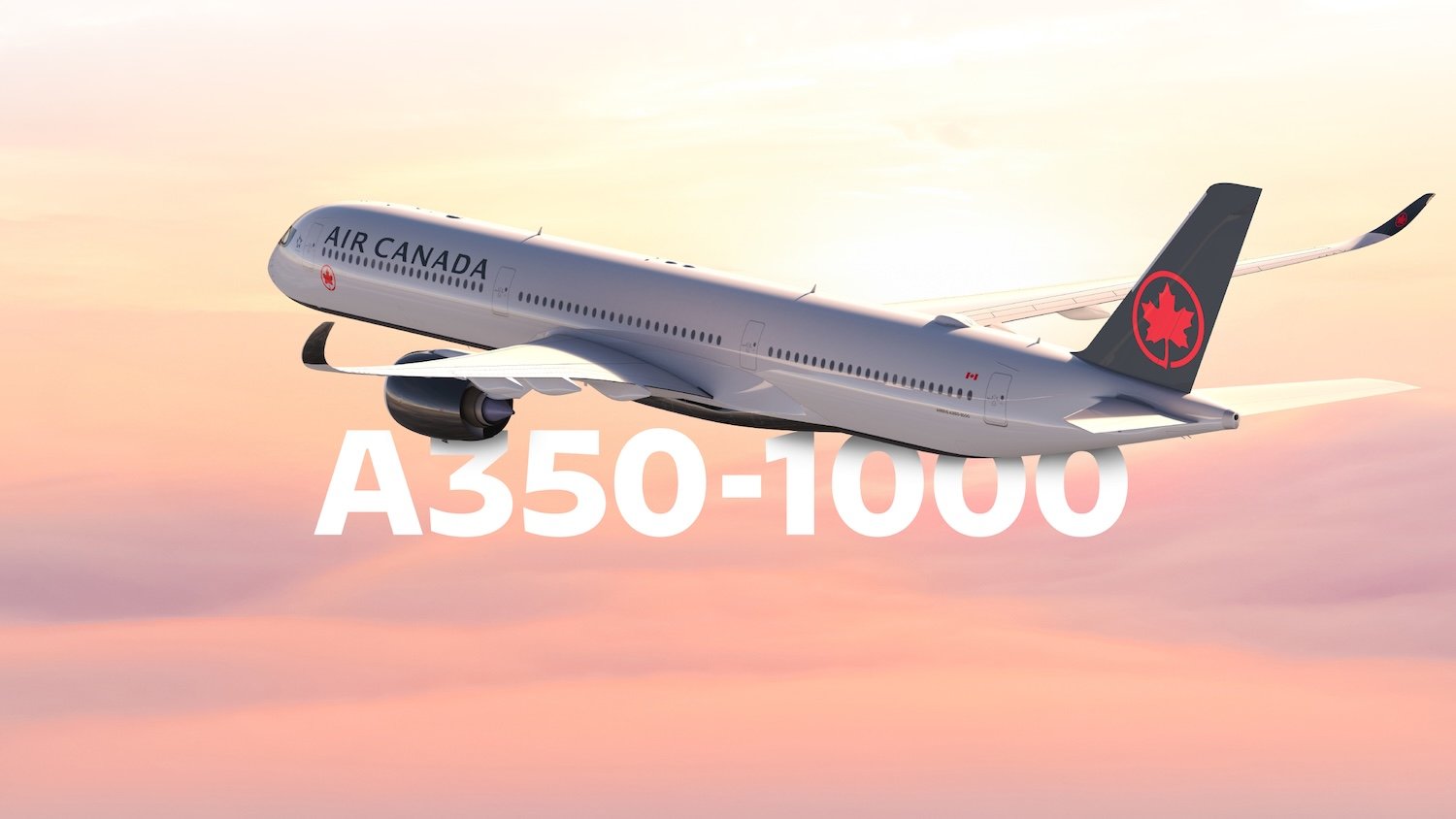
Fleet renewal sits at the centre of this strategy. Air Canada’s broader investment plan will see more than 78 new aircraft entering the fleet between 2026 and beyond 2030. This includes firm orders for 14 Boeing 787-10 Dreamliners and eight Airbus A350-1000s, with options for another eight.
From a cargo point of view, the A350-1000 is particularly relevant. It offers higher payload capacity, longer range and improved fuel efficiency per tonne-kilometre, which is increasingly important as airlines try to balance operating costs with sustainability pressures and network reliability on long-haul routes.
The strategy is not just about adding aircraft, but about making the network more stable. Air Canada Cargo uses its freighter fleet alongside its passenger operations, sometimes deploying capacity counter-seasonally, to keep key markets covered when demand patterns shift. The goal is simple: avoid gaps in service and maintain consistent flow for time-sensitive and high-value cargo.
There is also a strong infrastructure angle. The company has been investing in and modernising its cargo facilities, including a major multi-million-dollar expansion at its Toronto Pearson hub. These upgrades are aimed at improving handling speed and increasing temperature-controlled capacity.
That matters in segments like pharmaceuticals, perishables and advanced manufacturing, where delays or handling issues can quickly affect product quality and value.
Overall, the direction of travel is fairly clear. Instead of reacting to short-term cycles in the market, Air Canada Cargo is building around long-term capacity, infrastructure and network stability. In a sector where volatility has become the norm, that kind of positioning is becoming a competitive advantage in itself.