



Iranian seaborne oil exports are rapidly resuming after the Memorandum of Understanding (MoU) signed with the United States last week, triggering a shift in shipping patterns across key Asian routes and reopening questions over how Iran will handle crude distribution in the short term.
Following the lifting of the US naval blockade on Iranian ports, a number of crude carriers previously stranded in Iranian waters have begun sailing toward Asia without obstruction. The change marks a sharp reversal from conditions two weeks earlier, when tensions in the Gulf escalated dramatically and attacks on tanker infrastructure were reported in the region, including incidents attributed by US forces to vessels allegedly transporting sanctioned Iranian oil.
Today, according to monitoring data shared by United Against a Nuclear Iran (UANI), around 15 large Iranian-flagged tankers carrying crude are en route to East Asia. Unlike during the height of the conflict that began on 28 February, these vessels are not attempting to conceal their movements and are operating with AIS transponders fully active, making their routes publicly visible.
The timing of these sailings is significant, as many of the vessels departed before the final regulatory piece of the new framework was implemented: a US Office of Foreign Assets Control (OFAC) sanctions waiver. As of 22 June, Washington has issued a 60-day general license authorising the production, delivery and sale of Iranian oil, effectively restoring a legal export channel under defined conditions.
US Treasury Secretary Scott Bessant linked the decision to ongoing diplomatic discussions, stating that Iran had committed to ensuring free transit through the Strait of Hormuz and allowing International Atomic Energy Agency (IAEA) inspections under the emerging framework agreement.
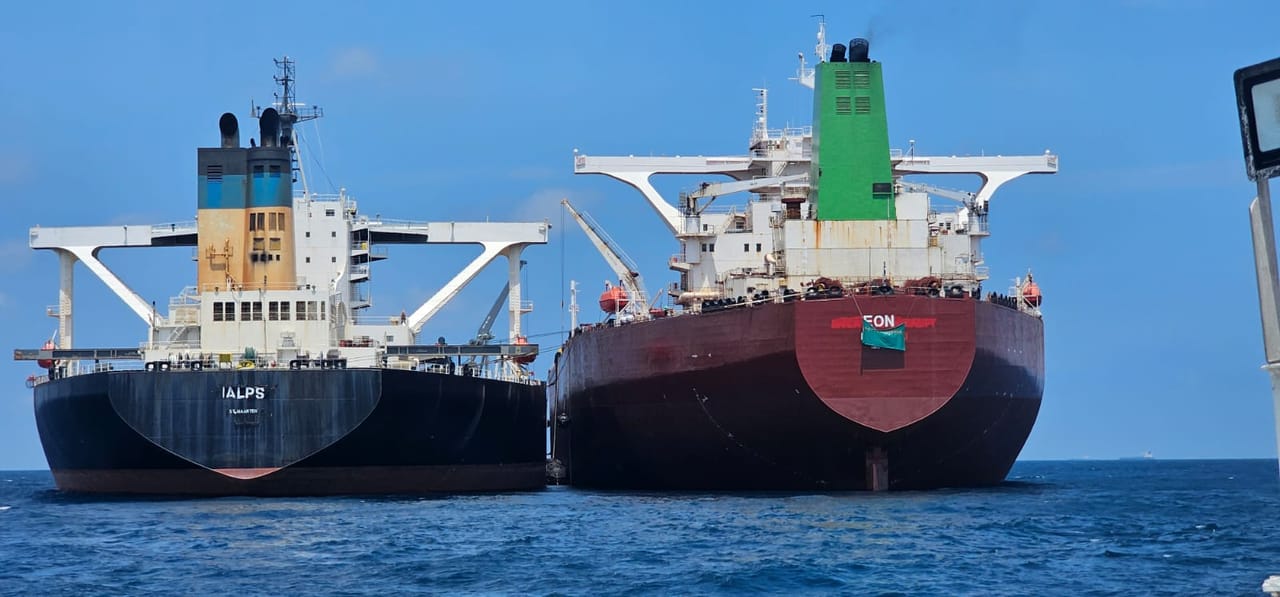
With sanctions relief now in place, the need for complex ship-to-ship (STS) transfers—particularly in Malaysia’s Eastern Outer Port Limits (EOPL), long used as an opaque redistribution hub—may be reduced. But analysts caution that entrenched logistics networks could remain even after the regulatory shift.
As UANI senior advisor Charlie Brown noted, the key uncertainty is whether operational behaviour will genuinely change or simply adapt to new conditions. While direct voyages to China and other Asian buyers are now legally feasible, STS transfers may continue due to established commercial routines and infrastructure already in place.
Market data highlights the scale of Iran’s recent export volatility. In May, during the period of full blockade enforcement, Iranian oil exports fell sharply to around 2.01 million barrels, compared with 29.7 million barrels in April, according to UANI figures.
The reopening of flows is expected to provide a significant short-term boost to Iran’s economy, while also reshaping crude supply dynamics across Asian markets as traders assess whether the new framework marks a structural shift or a temporary reprieve in geopolitical pressure.