



Alaska Air Group has renegotiated its cargo contract with Amazon in an effort to improve profitability, but executives say the revised agreement still does not fully meet their expectations.
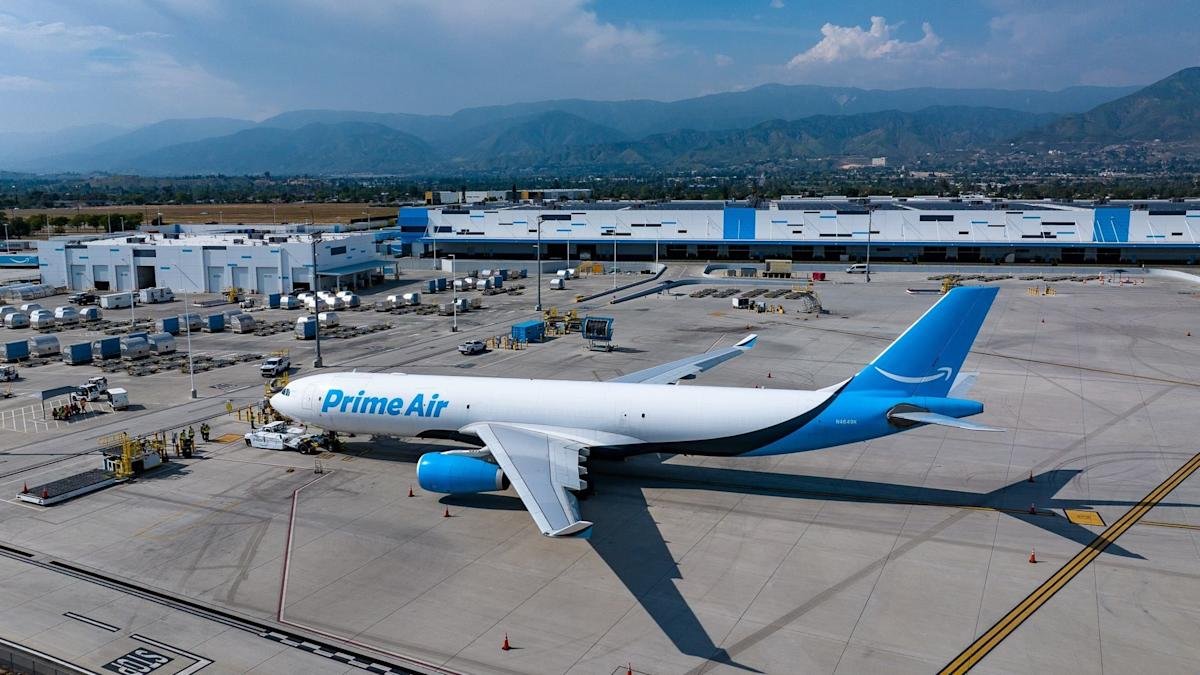
The airline currently operates 10 Airbus A330-300 converted freighters for Amazon, transporting e-commerce shipments across the company’s U.S. air network. The contract was inherited through Alaska’s acquisition of Hawaiian Airlines.
Under the agreement, Amazon supplies the aircraft while Alaska provides crew, maintenance and insurance.
Chief executive Ben Minicucci confirmed that the revised deal has moved from loss-making territory to a break-even position, but emphasized that further improvements are needed.
Executives have previously signaled dissatisfaction with the economics of the arrangement, noting that Amazon’s contracting model typically leaves suppliers operating on very thin margins. Structural differences following the integration of Hawaiian Airlines — including crew bases and cost structures — may have further impacted profitability.
Chief financial officer Shane Tackett reiterated that Alaska’s strategy is not to operate at break-even, but to generate sustainable margins on all flying activity.
Despite these challenges, cargo revenue rose 23% year-on-year to $150 million in the first quarter, supported by both freighter and passenger belly capacity.
Looking ahead, Alaska sees growth opportunities beyond the Amazon contract, particularly through widebody passenger routes and expanded cargo capacity between the U.S. and international markets, including Tokyo, Seoul, Rome and London.