




The global aviation aftermarket is facing mounting pressure as airlines keep aircraft flying for longer while supply chain disruptions continue to affect the availability of critical parts.
Recent data published by Locatory.com shows that several categories of aircraft components are becoming harder to source, particularly across engines, avionics, safety equipment, and regional aircraft fleets.
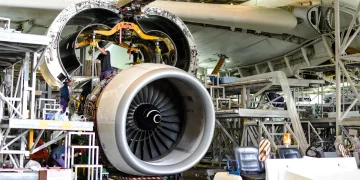
Demand remains heavily concentrated around the CFM56 engine family, with components linked to thermal management systems, fuel systems, and actuators among the most searched items on the market.
The trend reflects a broader industry strategy: operators are trying to maximize engine operating time before entering heavy maintenance cycles, at a time when MRO capacity remains constrained.
The pressure is now moving beyond routine maintenance parts.
Search activity is increasingly focused on larger and more strategic components, including:
* high-pressure shafts;
* compressor spools;
* bearings;
* sealing systems;
* and other engine-cycle critical components.
According to analysts, the market is entering a deeper maintenance phase, where access to strategic parts is becoming a key operational issue.
Regional fleets are particularly exposed. Aircraft such as CRJs and ERJs account for a significant share of the hardest-to-find components, including landing gear elements, cockpit systems, radomes, electrical components, and onboard equipment.
Several factors are driving the pressure, including aging fleets, low production volumes, shrinking inventories, and declining repair capabilities.
Even standard low-value parts are becoming operational bottlenecks. Bolts, nuts, seals, and tubing can now ground aircraft when immediate replacement inventory is unavailable.
Regulated safety equipment, including fire extinguishers, oxygen systems, and evacuation slides, is also becoming more difficult to source because of certification and transportation constraints.
At the same time, global passenger traffic continues to rise. According to IATA, passenger demand remains above available capacity, forcing airlines to keep older aircraft in service longer than originally planned.
For many aviation professionals, specialized aviation marketplaces are becoming essential tools to anticipate supply chain disruptions before they appear in official industry statistics.