



Agricultural retailers across the United States are raising serious concerns over the proposed merger between Union Pacific and Norfolk Southern, warning that a transcontinental rail consolidation could significantly reshape pricing power and service reliability across the agricultural supply chain.
The Agricultural Retailers Association (ARA), which represents more than 5,000 retail locations supplying feed, seed, equipment and other essential inputs to farms and ranches nationwide, says the deal would further concentrate control in an already highly consolidated rail market.
In a published opinion column, ARA president and CEO Daren Coppock said the industry is already operating in a system where the four U.S.-based Class I rail carriers control around 90% of rail freight traffic. According to him, this level of concentration gives carriers significant leverage to impose carrier-friendly terms, increasing costs and reducing flexibility for shippers moving agricultural commodities, fertilizer, chemicals and fuel.
Coppock also noted that these pressures are occurring at a time when inflation and geopolitical instability are already pushing logistics and input costs higher across the sector.
Over the past two decades, freight rail rates have increased by more than 40% when adjusted for inflation, he wrote, adding that this represents roughly 70% faster growth than truck transport rates. He also highlighted that key agricultural inputs such as anhydrous ammonia have seen price increases of more than 200% since the mid-2000s.
Union Pacific (NYSE: UNP) and Norfolk Southern (NYSE: NSC) argue the merger would boost efficiency by cutting out time-consuming railcar interchanges, reducing delays and making the whole network more fluid. They say this would ultimately benefit shippers by streamlining long-distance freight movement and boosting domestic rail volumes.
However, Coppock warned that historical rail mergers have often produced the opposite effect in the short to medium term, including service disruptions and reduced competition. He argued that such consolidation tends to weaken the negotiating position of agricultural shippers while increasing overall transportation costs.
The concern is particularly strong among “captive shippers”—businesses served by only one railroad, leaving them with limited or no competitive alternatives. Coppock said these customers are often left in a worse position after consolidation, with fewer options and less leverage.
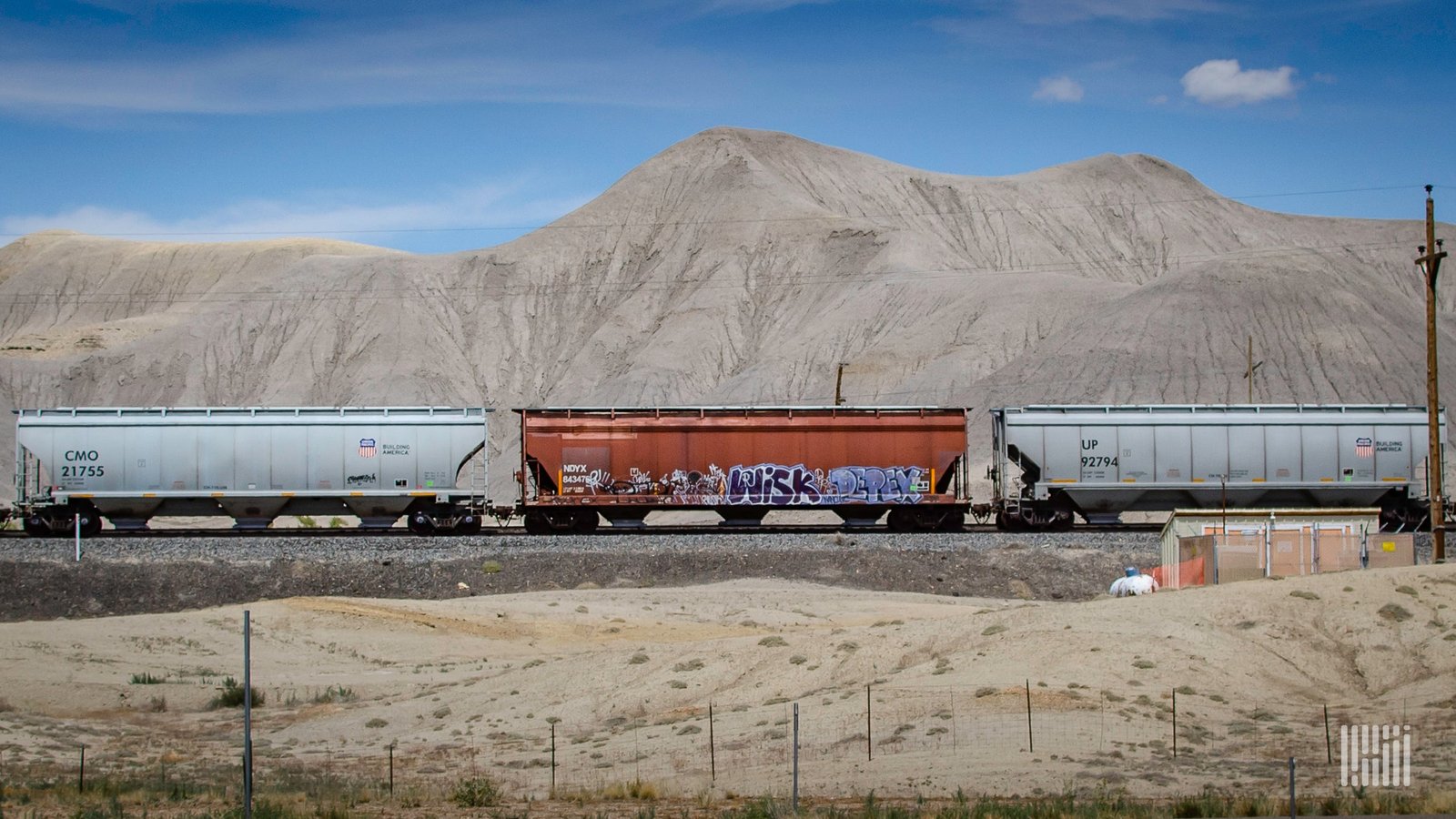
Agriculture remains heavily dependent on rail infrastructure, with roughly two-thirds of fertilizer used in U.S. crop production transported by rail. A single covered hopper railcar, he noted, can carry the equivalent of up to 3.4 truckloads while offering fuel efficiency up to three times higher per ton-mile than road transport.
Despite this dependence, Coppock warned that further consolidation could undermine the system’s reliability and affordability. “This proposed merger directly threatens our ability to operate and, by extension, impacts our farmers and the food supply for all Americans,” he said, adding that regulators should treat the issue as a major structural risk for the sector.
He concluded that if the Surface Transportation Board is not already concerned, it should be, given the potential scale of impact on agricultural logistics and national supply chains.
- Latest
- Trending
ADVERTISEMENT