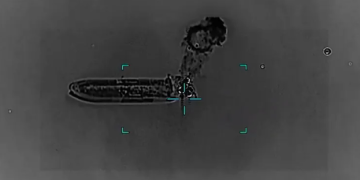




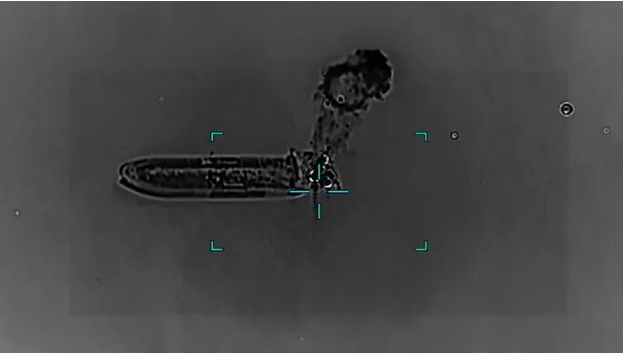
Three Indian seafarers have been confirmed dead following a US military strike on the oil products tanker Settebello in the Gulf of Oman on June 9, according to India’s Minister of Ports, Shipping and Waterways, Sarbananda Sonowal.
The attack has drawn strong reactions from governments and maritime organizations worldwide, as concerns continue to mount over the safety of civilian crews operating in one of the world’s most strategically important shipping corridors.
According to US authorities, the tanker was allegedly attempting to breach a blockade involving Iranian ports. American forces stated that the vessel’s crew repeatedly failed to comply with instructions issued during the operation. The strike resulted in three crew members being reported missing and another sustaining serious injuries.
Omani authorities later rescued 21 of the 24 Indian crew members onboard. The three missing seafarers were subsequently located and identified, with Indian officials confirming their deaths. Sonowal described the incident as a profound loss for India’s maritime community.
The situation in the region remains highly volatile. Security company Vanguard Tech reported that Iranian authorities had also confirmed an attack on a cargo barge carrying what were described as “essential goods” between Khasab and Sirik, Iran. The vessel was reportedly struck off the Omani coast on June 11 at approximately 05:00 local time. All five crew members were successfully rescued by passing vessels.
The Settebello incident marks the second tanker strike involving US forces in recent days. On June 8, the tanker Marivex was also hit, although all 24 crew members were safely evacuated. Meanwhile, a third tanker, Jalveer, is reportedly battling an engine-room fire in the Gulf of Oman. Indian foreign affairs officials indicated that the incident involved the US Navy, although no formal confirmation has yet been issued by Washington.
The Jalveer reportedly has 20 crew members onboard, with evacuation efforts being coordinated alongside Omani authorities.
The growing number of attacks, casualties and maritime emergencies has prompted widespread condemnation across the shipping industry. Marking 100 days since the outbreak of conflict in the Middle East, the International Transport Workers’ Federation (ITF) renewed calls for an immediate and permanent ceasefire, de-escalation by all parties, and full protection of civilian transport workers and infrastructure under international law.
Both the International Maritime Organization (IMO) and India’s Ministry of External Affairs have publicly condemned the strike on Settebello.
According to the IMO’s incident tracker for the Strait of Hormuz, there have now been 44 confirmed maritime incidents and 14 confirmed fatalities involving seafarers since the beginning of the crisis, as of June 11, 2026.
The recorded fatalities include:
June 9 – Settebello: Three seafarers killed following an attack attributed to US forces.
May 2 – Volans (tug) / Badr (barge): One seafarer killed in an attack attributed to Iranian forces.
March 11 – Safesea Vishnu: One seafarer killed in an attack attributed to Iranian forces.
March 11 – Mayuree Naree: Three seafarers killed in an attack attributed to Iranian forces.
March 6 – Mussafah 2: Four seafarers killed in an attack attributed to Iranian forces.
March 1 – Stena Imperative: One shipyard worker killed in an attack attributed to Iranian forces.
March 1 – Skylight: One seafarer killed in an attack attributed to Iranian forces.
As geopolitical tensions continue to disrupt commercial shipping routes across the Middle East, industry leaders are increasingly warning that merchant vessels and their civilian crews are being exposed to unacceptable levels of risk in an already fragile maritime environment.