



WinGD has taken a notable step in the maritime energy transition after securing the world’s first orders for ethanol-fuelled engines intended for deep-sea commercial vessels.
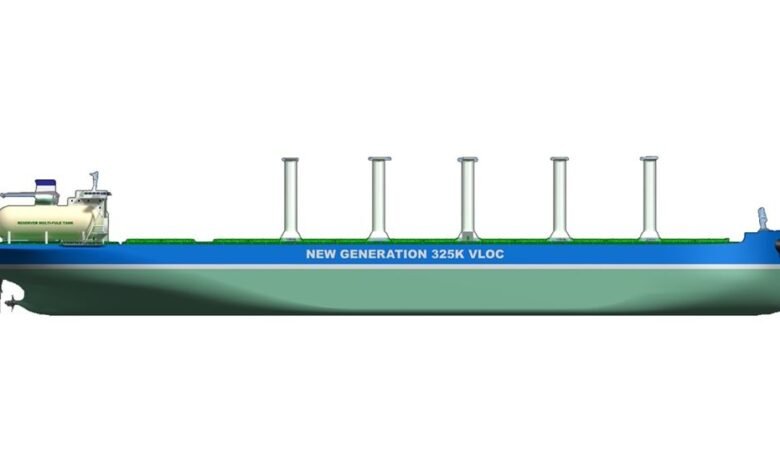
The Swiss engine designer confirmed that its new X-DF-M/E ethanol engines will power two Guaibamax-class ore carriers currently being built in China for Shandong Shipping Corporation. The vessels will operate under long-term charter to Brazilian mining giant Vale.
Each ship, with a deadweight of 325,000 tonnes, will be constructed at Beihai Shipbuilding and equipped with six-cylinder 6X82DF-M/E engines designed to run primarily on ethanol.
This order marks the first real-world commercial application of WinGD’s ethanol-adapted X-DF-M/E platform, which builds on the company’s existing methanol engine technology already in operation across the industry.
WinGD said the main technical adjustments were made to the fuel supply and injection systems to accommodate ethanol’s lower energy density compared with methanol, although both fuels share similar combustion behaviour.
Volkmar Galke, executive director of sales at WinGD, said the milestone reflects growing industry confidence in ethanol as a viable marine fuel.
“These first ethanol-fuelled X-DF-M/E engines build on more than a decade of intensive investigation into alcohol fuels including ethanol and methanol,” he said.
“Securing orders for a top-tier charterer and ship operator is the best possible validation of those efforts.”
The engines are scheduled for delivery in early 2029, with additional options available should the vessel series be expanded.
The project also aligns with Vale’s wider decarbonisation strategy across its global logistics chain. Earlier this year, the Brazilian mining group committed to the ore carrier newbuildings as part of efforts to reduce emissions linked to iron ore transport.
Vale sees ethanol as a particularly promising low-carbon fuel due to its strong availability in Brazil, one of the world’s largest ethanol producers. Internal studies from the company suggest ethanol could reduce greenhouse gas emissions by up to 90% compared with conventional heavy fuel oil, depending on lifecycle and sourcing assumptions.
Rodrigo Bermelho, Vale’s shipping director, said the initiative adds flexibility to the company’s fleet strategy while supporting broader energy transition goals.
“The adoption of ethanol as an alternative fuel is part of Vale’s strategy to combine flexibility and efficiency in the ships that transport our ore,” he said.The latest breakthrough also expands WinGD’s alternative fuel portfolio, which already includes ammonia-fuelled X-DF-A engines and high-pressure LNG X-DF-HP technology, as engine manufacturers and shipowners continue to diversify across multiple fuel pathways.